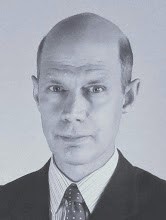
Sadly, I can so see Prime Minister Abe Shinzo and First Bro Seko Hiroshige holed up in the PM's office at the Kantei, air guitaring to the arpeggios and grimacing while playing imaginary synths.
Rock on, courtesy the Prime Minister's Residence.
Yes voters of Japan, someone, perhaps a whole gaggle of individuals, got paid to put together this video celebration of the Prime Minister's growth strategy.
Your tax yen at work.
I have to admit, I am torn. I cannot tell which scene I like better: robosuit-assisted Abe lifting up an unidentified object and putting it back down again to no purpose...or the sudden almost dead stillness of a uniformed Abe driving the tea leaf harvester.
Showing posts with label Seko Hiroshige. Show all posts
Showing posts with label Seko Hiroshige. Show all posts
Wednesday, July 02, 2014
Wednesday, June 25, 2014
Filling Mr. Abe's New Cabinet

With the record for the longest-lasting lineup in history firmly under its obi, the constipated release of two excruciatingly unsatisfying plans for change (Third Arrow structural economic reforms and reinterpretation of the constitutional ban on collective self-defense) making its days darker, ministers making apologies to the citizens for having voiced inconvenient truths (Link), the first significant death (Link) and languishing poll numbers(Link) Abe Cabinet 2.0 is starting to look stale. Prime Minister Abe delivered what sounded pretty much like a nationally televised hail and farewell speech last night -- sweeping through and over what the current Diet session and the Cabinet have achieved, giving no inkling of what is on the agenda for the autumn Extraordinary Diet Session.
The Yomiuri Shimbun yesterday predicted that the Prime Minister will shuffle his Cabinet in the beginning of September (Link) -- which, based on the PM's press conference, sounds about right. Today the paper has printed an article on the thicket of numbers Abe and his close confidants will have to hack through on the way to that new Cabinet.
First is the faction strength numbers. Now, the factions are not what they were in terms of the grooming of candidates and guides for the approximate number of cabinet seats apportioned from each faction's list of eligible candidates. Still, the Prime Minister has to at least pay some grudging respect to the legacy of the factions -- meaning that each faction will supply at least one member of the Cabinet, with the second place Nukaga Faction, the historical rival of the Prime Minister's Machimura Faction, at least two seats. As for Machimura, he has demanded that the faction honor its most senior underachiever -- a sad sack member with 8 elections to the Diet without ever serving in the Cabinet -- with a cabinet post.
Liberal Democratic Party Factions, number of members
Machimura Faction 92
Nukaga Faction 54
Kishida Faction 44
Aso Faction 38
Nikai Faction 29
Ishihara (Nobuteru) Faction 14
Oshima Faction 13
NO FACTION 127
That last number, 127 members still unaffiliated 18 months after an election, indicates of how far the factions have fallen as institutions. Until the Postal Reform election of 2005, only a handful of Liberal Democratic Party members were independent-minded or obnoxious enough to resist being recruited into a faction. Today, the non-faction faction is far and away the largest faction.
For the Yomiuri, the top candidates for Cabinet posts are party members with at least 5 elections to the House of Representatives (the old standard was 6 elections) or 3 elections to the House of Councillors -- and no previous Cabinet service. Unfortunately for Mr. Abe and his circle of advisers, the interregnum of three Democratic Party of Japan-led cabinets has created a huge backlog in the list of these purportedly worthy candidates. Currently 59 (43 HoR, 16 HoC) Diet members meet the Yomiuri standard -- a major headache for the PM, who wants to keep the number of Cabinet members fixed at 18. With the Chief Cabinet Secretary spot reserved for its current placeholder Suga Yoshihide, the number of Cabinet posts in play is really only 17.
A lot of broken dreams on tap here.
Abe has a few standards of his own he will want to enforce. He will want to have a larger cohort of women in his next Cabinet in order to preserve the appearance of his support for greater women's empowerment. He has raft of heavyweight candidates to chose from: Koike Yuriko, Noda Seiko, Takaichi Sanae are the first to come to mind. Unfortunately all of them have previous Cabinet service -- meaning that appointing them will make no dent in the ranks of the unfledged candidates.
Abe will also want to employ some of his friends and fellow travelers. Takaichi fits the bill in this department. So does of Shisaku favorite Seko Hiroshige -- who has the requisite number of elections to the Diet but heretofore no (Why is this in no way surprising?) Cabinet appointments on his resume.
Abe and his confidants have a long hot summer of thinking ahead of them. The process of selecting a new cabinet will probably involve, if anything, a lot of golf games under a blazing hot sun.
Look for a toasted Abe announcing a new cabinet lineup ahead of the opening of the Extraordinary Session, with a brand new State Minister for Regional Revitalization post enlivening the festivities.
Later - Yomiuri's English-language The Japan News has an article out making many of these points. (Link)
Thursday, May 22, 2014
Because I Cannot Have Any Kinky Associations

It is a great article title:
Kinki University to Straighten Out NameThe question from a marketing standpoint is why make a big deal about a salacious misreading of the current name in the announcement of the change? Why not just make the changes and let the subject rest? Why go on and on about globalizing the university, then to the extreme of explaining the possible misunderstanding with the word "KINKY" in all capital letters in your press release? (Link - J)
JapanRealTime
What's in a name?
If it's Kinki University, probably more than was intended.
Which is why the school has finally decided to change it.
Kinki University, a prestigious institution of higher learning located in the Kinki area of western Japan that includes the major industrial city of Osaka, said this week it would change its official English name to Kindai University because of the undesirable connotations its current name suggests to English speakers...
(Link)
It all seems a bit weird and discomfitting -- until one learns a vital piece of information: the chairman of the board of trustees of Kinki University is Seko Hiroshige.
"That Seko Hiroshige?"
Yes, that Seko Hiroshige, the Diet's, the Kantei's and the Liberal Democratic Party's avatar of the inapppropriate and overreaching. (Archive)
As it turns out, Kinki University is a Seko family fiefdom. It was founded by Seko Ko'ichi, Hiroshige's grandfather, who like Hiroshige, was an LDP Diet member (Link - J). The position of chairman of Kinki U. has been handed down through the family tree, Hiroshige having become the fourth Seko to be the university's top dog upon the 2011 death of his father Hiroaki. (Link- J)
So that which at first seems strained, peculiar and silly, turns out, when one learns the backstory, to be a natural course of events...because this is precisely the kind of change Seko Hiroshige can believe in.
Later - One probably cannot grasp the scale of the FAIL here unless one is aware that Seko is a holder of a Master's degree in Corporate Communications from Boston University. (Link)
-----------------------
Poster image courtesy: Obamapostermaker.com
Saturday, February 08, 2014
From Russia With ?

Well, that sure was icky.
No, not the Frieze of Dictators views in the VIP section at the Opening Ceremonies of the Sochi Olympics (Aliev and Narzabayev and Lukashenko...whoa, Lukashenko!).
No, not the "Wow, Such A Lot of Countries Vladimir Putin Would Like To Conquer" parade of nations that escaped from the clutches of the Soviet Union two decades ago (Hmmm, Lithuania! So small, so...flat).
Not the poor Georgians, unable to decide what faces to wear as they trudged out onto the field of Putin's colossal Potemkadrome.
Not the reimagination of Soviet times as a march of red wheels (a reference to Solzhenitsyn?), red scarves, Constructivism and awesome red, white and black graphics (CCCP Cool - hey, every nation's leaders, except Japan's of course, have a right to remember their country's past in the manner they prefer, right?).
No, it was the sight of Prime Minister Abe Shinzo, waving wanly, with, no, not his wife Akie standing by his side. No, with his too constant companion, the Second Stupidest Man to Ever Serve in the Kantei™ *, by his side.
On second thought, if you are attending an ex-KGB agent's propaganda extravaganza, best to bring your own administration's Trofim Lysenko with you.
On third thought, maybe it was a kind of protest against the Russia's LGBT laws.
Which, if that was what it was, is noble, bold, edgy and icky.
-------------------------
* "Second Stupidest Man to Ever Serve in the Kantei" is actually the nicer of my two set phrases describing Seko Hiroshige.
Image source: screen shot of NHK rebroadcast
Sunday, December 08, 2013
The Target Of Criticism

"During the preparations for the final vote on the Special Secrets Protection Act, an onlooker in the gallery of the House of Councillors took off his shoes and threw them into the Diet members' seats, hitting a legislator."
"That is outrageous!"
"The legislator he hit was Seko Hiroshige."
"Hmmm...that does not make it any less wrong, but it does show the man had excellent aim."
For an account of the incident - Link - J.
Seko Hiroshige is a Shisaku favorite. For more posts on him and his position in the political world, click on the tag below.
Original image courtesy: Yomiuri Shimbun
Thursday, September 12, 2013
A Marriage Most Peculiar

One of the fixtures of life under an Abe Administration is the appearance, off to the side or in the corner, of Seko Hiroshige (Link). The fourth termer House of Councillors out of Wakayama is one of the prime minister's most trusted advisors and constant companions. On official trips when the PM's wife Akie does not accompany the PM, Seko seems the go-to surrogate. It was Seko who stood and sat beside the PM on his grueling globe-spanning trip from St. Petersburg to Buenos Aires and back again this past weekend -- a trip which began with the insane scene of the PM trotting up the stairs to his official plane, turning and giving a hearty wave for the media gaggle, turning back to step into the plane door, followed by Seko, in imitation of the PM, turning to the media and giving his own solo wave of departure at the top of the stairs.
Seko-sensei, control yourself. You are not one of that plane's passengers. You are the baggage.
The incongruity of Seko, a former communications and public relations executive at NTT who seems to lack even a smidgen of sense when it comes to image creation, and the efforts the PM has made to give Seko appointments to keep him close by (Seko is currently a Deputy Chief Cabinet Secretary) has led me to uncharitably consider on more than one occasion the possibility that the relationship between the two was more than professional.
Well, those thoughts, while not shelved, must compete for my attention this morning with the reports that the divorced Seko quietly filed a marriage certificate on September 2. What has the political sphere abuzz is that his spouse is Hayashi Kumiko (Link), a second term Democratic Party of Japan member of the House of Councillors.
That Seko, who is no great shakes in the appearance department, should be cohabiting with and is now the spouse of a former BBC newsreader ten years his junior should give hope to all the unwed of the planet.
More significantly, inter-party relationships and marriages are extremely rare in Japanese politics -- one can count their postwar numbers on the fingers of one hand. Despite living in physical proximity, the ideological divides and the parliamentary tactics of the parties would make an extra-party romantic relationship extremely tough. The Seko\Hayashi marriage seems to the first one ever between a member of the ruling party and a member of the main opposition party.
Seko, who most of the time has a half-cocked opinion on everything, is reticent to talk about his remarriage (it is a second marriage for Hayashi as well). He has asserted to confidants that he and Hayashi do not discuss politics at home (Link - J) -- a statement that burnishes his reputation of having only a weak grasp of the remotely plausible.
The question this morning is whether the PM best bud's secret tieing of the knot with a member of the opposition changes the relationship of trust and cooperation between the two men -- or whether in the new on-sunny-side-of-the-street-all-the-news-is-wonderful Abe II Cabinet (and of late, all the news for the administration has indeed been wonderful), everything is all to the good.
Later - For those wondering about Seko's position in the political spectrum, whether he is a moderate inside the Abe administration, the answer would be "not on your life." Class him rather as a pugnacious militant. He was a co-signer, along with Abe, of the Sakurai Yoshiko-authored advertisement in The New Jersey Star-Ledger of November 4, 2012 (yes, less than a year ago) denouncing the teensy-tiny comfort women monument on public land in Palisades Park, New Jersey. (Link)
Speaking of Sakurai, she makes a brief appearance speaking English (she is a graduate of the University of Hawaii in Manoa) in this just-released video report on Japan's decidedly minor (as ever) adjustments to its military posture and capabilities. (Link)
Saturday, June 22, 2013
Prime Minister Abe On Facebook
The Asahi Shimbun insists that we pay for English language content (Link). Non-Japanese speakers have had to therefore wait for Toko Sekiguchi's account to learn about the Prime Minister's losing it when Tanaka Hitoshi chided the Abe administration for creating the impression of a rightward tilt in Japanese politics.
Right off the bat, though it was a non-sequitur, the prime minister was right about Tanaka's having been wrong about returning the abductees to North Korea. For the North Koreans to get double-crossed in a brutal, calculating way -- by the Japanese, of all people -- taught Pyongyang to not underestimate the mental tenacity of opponents -- a lesson the new DPRK leadership has, over the course of this last year, seemingly had to learn all over again.
More important, however, is what Abe's lashing out at critics has shown about his character.
First, that despite all the buffing from the message masters at home and allies in Washington, Abe remains insecure and reactionary, with an ability to descend into name calling when challenged. (Link)
Second, that those closest to him still think him a child:
Abe is 58 years old and prime minister. That he could still be, in the eyes of those closest to him, a "hot-blooded youth," should give everyone pause.
How much the Facebook posts actually reflect Abe's thinking, and how much is the product of pugnacious, defensive aides (and I am looking at you, Seko Hiroshige) hiding behind the PM whilst lobbing metaphorical bombs at "oppositionists" (Link), is a reasonable question.
Third, there is nothing more delicious than Abe being told by Koizumi Shinjiro, a man half the PM's age, to conduct himself in manner more becoming to his office.
Fourth and finally, someone might want to write about how the denizens of this famous land still, at this late stage of the game, lose themselves in social media -- lolling about in the ids they keep so hidden in other forms of discourse.
While we are on the subject of politicians and Facebook, can someone who knows Democratic Party of Japan leader Kaieda Banri tell him that it is OK to remove scurrilous and irrelevant comments from his Facebook page? It may be a sign of a noble character to suffer the slings and arrows of every single lunatic who spews out his venom, then hits the "send" button. However, no one should have to tolerate the vile abuse being dumped on Kaieda's posts.
Japan PM Facebook Foray Draws Allies, Arguments(Link)
JapanRealTime
In the year since he opened his Facebook account, Japanese Prime Minister Shinzo Abe has embraced the social media site in a way that's unlike any of his predecessors, praising it as a direct channel to the public...
[snip]
In a newspaper interview, Hitoshi Tanaka, an ex-diplomat who played a crucial role in the negotiations between Tokyo and Pyongyang over the return in 2002 of five Japanese nationals abducted by North Korea in the 1970s, voiced his concern that the prime minister’s recent comments on wartime history and his push to revise the constitution were being perceived as Japan's "rightward tilt" by the international community.
Mr. Abe went on the offensive on his Facebook page, reminding his nearly 367,000 "followers" and some 4,800 "friends" that Mr. Tanaka claimed 11 years ago that the abductees should be eventually returned to North Korea as initially agreed to with Pyongyang. Mr. Abe called Mr. Tanaka's decision then "a decisive mistake for a diplomat," dismissing him as "unqualified to speak about diplomacy."
Right off the bat, though it was a non-sequitur, the prime minister was right about Tanaka's having been wrong about returning the abductees to North Korea. For the North Koreans to get double-crossed in a brutal, calculating way -- by the Japanese, of all people -- taught Pyongyang to not underestimate the mental tenacity of opponents -- a lesson the new DPRK leadership has, over the course of this last year, seemingly had to learn all over again.
More important, however, is what Abe's lashing out at critics has shown about his character.
First, that despite all the buffing from the message masters at home and allies in Washington, Abe remains insecure and reactionary, with an ability to descend into name calling when challenged. (Link)
Second, that those closest to him still think him a child:
Other lawmakers weighed in on the row. Economy Minister Akira Amari tried to downplay the round of name-calling, explaining this week that the 58-year-old prime minister is a "hot-blooded youth" whose endless duties have left him high-strung.Amari, who has been gaffe-central in the Abe Cabinet through his inexplicable desire to tell the truth behind the fictions (Link) may have finally talked himself out of a job, post-House of Councillors election, with this last unhelpful "explanation."
Abe is 58 years old and prime minister. That he could still be, in the eyes of those closest to him, a "hot-blooded youth," should give everyone pause.
How much the Facebook posts actually reflect Abe's thinking, and how much is the product of pugnacious, defensive aides (and I am looking at you, Seko Hiroshige) hiding behind the PM whilst lobbing metaphorical bombs at "oppositionists" (Link), is a reasonable question.
Third, there is nothing more delicious than Abe being told by Koizumi Shinjiro, a man half the PM's age, to conduct himself in manner more becoming to his office.
Fourth and finally, someone might want to write about how the denizens of this famous land still, at this late stage of the game, lose themselves in social media -- lolling about in the ids they keep so hidden in other forms of discourse.
While we are on the subject of politicians and Facebook, can someone who knows Democratic Party of Japan leader Kaieda Banri tell him that it is OK to remove scurrilous and irrelevant comments from his Facebook page? It may be a sign of a noble character to suffer the slings and arrows of every single lunatic who spews out his venom, then hits the "send" button. However, no one should have to tolerate the vile abuse being dumped on Kaieda's posts.
Saturday, February 09, 2013
Keeping An Eye On Ishiba Shigeru
Abe Shinzo should be in the clover right now. His cabinet and the Liberal Democratic Party are basking in high and rising popularity ratings. The LDP's nominal rival, the Democratic Party of Japan is in disarray on both the policy and public relations fronts. Abe's continued striking of poses dear to the right wing, albeit not when he is on center stage, steals the thunder of Ishihara Shintaro-Hashimoto Toru's Japan Restoration Association. Unless a set of scandals emerges to debilitate Abe II the same way the Matsuoka office accounts and pension records scandals did in Abe I, the man from Minami Azabu Choshu seems set to rule this land for a long time.
However, Abe cannot sit in complete comfort...and not for the reason you are thinking.
Despite the heavy presence of Friends of Shinzo in cabinet and sub-cabinet posts* Abe has only a tenuous hold over the party membership. It is not by coincidence that where there are not Friends of Shinzo there are Faction Heads Who See Abe As A Means Of Furthering Their Own Goals.
Abe led the LDP to victory in the December election. However, it was with candidates approved by the Tanigaki Sadakazu-Ishihara Nobuteru leadership regime, which, given Tanigaki's arrested adolescence, means that the freshmen are most likely tacit Ishihara Nobuteru partisans.
In July, Abe will again be leading his party into a battle, this time for control of the House of Councillors -- a battle he is sure to win. However, the new faces and many of the old faces in the races will likly again not be beholden to Abe. Instead they will likely be quiet allies of Abe's second-in-command and rival, Secretary-General Ishiba Shigeru.
Abe beat Ishiba for the LDP presidency in a runoff election last September in a count of just the votes of the then shrunken LDP Diet membership. Ishiba had won the first round where the votes of the local party chapters were included. Appointing Ishiba the party's secretary-general was necessary from the standpoint of maintaining party unity. However, from the standpoint of controlling the levers of party power, the move made zero sense ("Appoint the guy I beat on points to run the party while I have my hands tied running the government? Great idea!").
Abe has not been negligent as to the threat Ishiba poses. He has declared, as he did in 2006, the status of the post of chairman of the Elections Strategy Committee (Senkyo taisaku iinkai) to be equal to that of the posts of secretary-general, policy research council chairman and general council chairman, turning the sanyaku into the yonyaku. He has appointed fellow Yamaguchi Prefecture member Kawamura Takeo to the newly elevated position.
Though the election measures chair may now be the nominal equal of the secretary-general, responsibility for the outcome of elections remains with the secretary-general. It is difficult to imagine that the PM or his proxy Kawamura will prevail in a contest with Ishiba over candidate selection.
Those whom Ishiba cannot choose directly he can buy -- since the position of secretary-general also gives him control of the party's purse strings.
One of the major stumbling blocks between Ishiba and greater power, however, is unity of the faction heads and former faction heads in support of Abe -- even when as individuals they have had serious policy disagreements with the current party president (yes Komura Masahiko, I am talking about you).
Which makes a pair of proposals put forth at the February 6th meeting of the LDP Political System Reform Headquarters (Seiji seido kaikaku honbu) most interesting.
The body, chaired by Aizawa Ichiro, a fellow alumnus of former Prime Minister Noda Yoshihiko's in the Matsushita Institute of Management and Government's inaugural class, has proposed:
1) the move of all faction offices into the main LDP headquarters building, and
2) the banning of factional
Proposals to defang the factions have been tabled before, most importantly by former prime minister Koizumi Jun'ichiro, and reforms of the party structure have been undertaken that have weakened the influence of factions. Asking for the utter dismantlement of factions, the gist of the above proposals, is a serious throwing down of the gauntlet. The party is only just emerging from its longest, darkest period of relative weakness. An attack upon the party's structure coming from within after a major electoral victory is extraordinary.
While we are on the subject of Koizumi Jun'ichiro and factions, Koizumi Shinjiro (Koizumi Version 4.0), a better, if it can be believed, politician than his father (and so handsome he melts camera lenses), so controls the LDP's Youth Division (Seinen kyoku) as to be a defacto faction leader -- with a base of followers (81 Diet members are members of the Youth Division) that puts him at the front line of party powers.
A rising power that Ishiba hopes, possibly against hope, to coopt. (Link - J)
Not bad for a guy with a whopping two elections to the Diet.
------------
* For a fright, check out Asia Policy Point's translations of the prime minister's daily schedule (Link) for the amount of time the PM spends in the company of Seko Hiroshige, the "Stupidest Man To Ever Serve In The Kantei" until Hirano Hirofumi wrested the title from him in 2009.
However, Abe cannot sit in complete comfort...and not for the reason you are thinking.
Despite the heavy presence of Friends of Shinzo in cabinet and sub-cabinet posts* Abe has only a tenuous hold over the party membership. It is not by coincidence that where there are not Friends of Shinzo there are Faction Heads Who See Abe As A Means Of Furthering Their Own Goals.
Abe led the LDP to victory in the December election. However, it was with candidates approved by the Tanigaki Sadakazu-Ishihara Nobuteru leadership regime, which, given Tanigaki's arrested adolescence, means that the freshmen are most likely tacit Ishihara Nobuteru partisans.
In July, Abe will again be leading his party into a battle, this time for control of the House of Councillors -- a battle he is sure to win. However, the new faces and many of the old faces in the races will likly again not be beholden to Abe. Instead they will likely be quiet allies of Abe's second-in-command and rival, Secretary-General Ishiba Shigeru.
Abe beat Ishiba for the LDP presidency in a runoff election last September in a count of just the votes of the then shrunken LDP Diet membership. Ishiba had won the first round where the votes of the local party chapters were included. Appointing Ishiba the party's secretary-general was necessary from the standpoint of maintaining party unity. However, from the standpoint of controlling the levers of party power, the move made zero sense ("Appoint the guy I beat on points to run the party while I have my hands tied running the government? Great idea!").
Abe has not been negligent as to the threat Ishiba poses. He has declared, as he did in 2006, the status of the post of chairman of the Elections Strategy Committee (Senkyo taisaku iinkai) to be equal to that of the posts of secretary-general, policy research council chairman and general council chairman, turning the sanyaku into the yonyaku. He has appointed fellow Yamaguchi Prefecture member Kawamura Takeo to the newly elevated position.
Though the election measures chair may now be the nominal equal of the secretary-general, responsibility for the outcome of elections remains with the secretary-general. It is difficult to imagine that the PM or his proxy Kawamura will prevail in a contest with Ishiba over candidate selection.
Those whom Ishiba cannot choose directly he can buy -- since the position of secretary-general also gives him control of the party's purse strings.
One of the major stumbling blocks between Ishiba and greater power, however, is unity of the faction heads and former faction heads in support of Abe -- even when as individuals they have had serious policy disagreements with the current party president (yes Komura Masahiko, I am talking about you).
Which makes a pair of proposals put forth at the February 6th meeting of the LDP Political System Reform Headquarters (Seiji seido kaikaku honbu) most interesting.
The body, chaired by Aizawa Ichiro, a fellow alumnus of former Prime Minister Noda Yoshihiko's in the Matsushita Institute of Management and Government's inaugural class, has proposed:
1) the move of all faction offices into the main LDP headquarters building, and
2) the banning of factional
a) searches for new candidates,A list to which a faction head might respond drily, "Ummm, anything else you do not want us to do?"
b) education of newly elected members of the Diet,
3) financial support for election losers,
4) distribution of party and government posts
(Link - J)
Proposals to defang the factions have been tabled before, most importantly by former prime minister Koizumi Jun'ichiro, and reforms of the party structure have been undertaken that have weakened the influence of factions. Asking for the utter dismantlement of factions, the gist of the above proposals, is a serious throwing down of the gauntlet. The party is only just emerging from its longest, darkest period of relative weakness. An attack upon the party's structure coming from within after a major electoral victory is extraordinary.
While we are on the subject of Koizumi Jun'ichiro and factions, Koizumi Shinjiro (Koizumi Version 4.0), a better, if it can be believed, politician than his father (and so handsome he melts camera lenses), so controls the LDP's Youth Division (Seinen kyoku) as to be a defacto faction leader -- with a base of followers (81 Diet members are members of the Youth Division) that puts him at the front line of party powers.
A rising power that Ishiba hopes, possibly against hope, to coopt. (Link - J)
Not bad for a guy with a whopping two elections to the Diet.
------------
* For a fright, check out Asia Policy Point's translations of the prime minister's daily schedule (Link) for the amount of time the PM spends in the company of Seko Hiroshige, the "Stupidest Man To Ever Serve In The Kantei" until Hirano Hirofumi wrested the title from him in 2009.
Tuesday, April 17, 2012
About That Other Failure
Last Friday, the DPRK launched a rocket in commemoration of 100th birthday of the country's founder Kim Il-sung. U.S. thermal imaging satellites immediately detecting the ignition of the rocket's engines. Under information-sharing agreements worked out long ago between Japan and the United States, the launch detection warning .was relayed to the government of Japan. The U.S. information was immediately shared with Japan's Self Defense Forces, which were on high alert to detect, track and, if necessary, shoot down the rocket-- oops, I'm sorry, missile.
The service personnel on board three Aegis-class destroyers equipped with SM-3 missiles and the personnel at the ground based radar stations on Shimokoshikijima (E), Fukuejima and numerous other sites in Kyushu, northern Chugoku and Okinawa stared at their screens, waiting for the confirmation of the rocket's rise.
And they waited.
And they waited.
And they waited.
Funny thing about the Earth: it's curved. If some object blows up before it rises above your horizon, you are going to be waiting forever.
Both the Aegis destroyers in the East China Sea were cruising far to the south (having two in the Sea was a public relations stunt: in terms of missile defense and radar coverage, one was more than sufficient). The choice of positioning did provide greater protection to the Okinawa Islands but also did not upset the Chinese. It would have made more sense from an intelligence gathering standpoint to position one of the two destroyers in the north, closer to the launch site. Unfortunately, China tends to consider the northern part of the East China Sea and all of the Yellow Sea as a no-go area for all but the most intrepid of foreign naval powers.
So following Friday morning's launch, Japan was blind to a no-longer-existing-possible-threat. Which, when you think about it, is no big shakes.
Chief Cabinet Secretary Fujimura Osamu, the government spokesman and concurrently the government's COO, did not come out of the Security Council -- which he is a part of, meaning that he is somehow responsible for reporting to the public on a meeting he supposed to be attending -- until an hour after the launch to admit the fascinating but tentative possibility that a launch may have taken place.
All of which looks terribly bad and stupid, considering that U.S. and South Korean officials were making announcements of a launch having taken place within minutes of the launch's having taken place.
Predictably, the main opposition parties have gone to town on the "failure" of the government to keep the public informed in a timely manner about what was going on. The national official security threat system called J-Alert was never engaged. Government email communications even 50 minutes after the launch were saying that a launch had not been confirmed. In a bit of humorous bad luck resulting from the width of the computer screens of the government's official communications systems and the peculiarities of Japanese sentence structure, the message from the government read what is is the equivalent of:
"As for the launch of a missile, the current status is that a missile launch confirmation has
not happened."
Whatever hyperventilations about the Japanese government's lack of preparedness or bad execution emerge, three points:
1) With the rocket doing itself in, nobody was ever in a position to get hurt.
2) The SDF and the government followed prudent protocols, showing they had learned from the false positive report in 2009 that led to an unnecessary warning being passed on to local officials.
3) The ridiculousness of Fujimura's having had to have been in two places at once may fan into flame the ever-smouldering debate over the Cabinet's need for a dedicated spokesman.
Burning one of the five Special Advisor to the Prime Minister (shusho hosakan) positions in order to appoint an individual charged solely with providing information to the public was one of the few good ideas former Prime Minister Abe Shinzo brought with him when took over as prime minister. That the decision blew up in his face was due to his having chosen the shameless self-promoter Seko Hiroshige as his Special Advisor for public communications.
Ever since the Seko fiasco, no PM has been willing to repeat the experiment -- which is too bad, as the present arrangement has never been to the public's benefit in terms of providing comprehensive and comprehensible information. It has also in some cases become something of a power trip for the man (yes, only men so far) chosen to simultaneously wear two very important government hats, turning the Chief Cabinet Secretary into something of a Chief Cabinet Jerk.
The service personnel on board three Aegis-class destroyers equipped with SM-3 missiles and the personnel at the ground based radar stations on Shimokoshikijima (E), Fukuejima and numerous other sites in Kyushu, northern Chugoku and Okinawa stared at their screens, waiting for the confirmation of the rocket's rise.
And they waited.
And they waited.
And they waited.
Funny thing about the Earth: it's curved. If some object blows up before it rises above your horizon, you are going to be waiting forever.
Both the Aegis destroyers in the East China Sea were cruising far to the south (having two in the Sea was a public relations stunt: in terms of missile defense and radar coverage, one was more than sufficient). The choice of positioning did provide greater protection to the Okinawa Islands but also did not upset the Chinese. It would have made more sense from an intelligence gathering standpoint to position one of the two destroyers in the north, closer to the launch site. Unfortunately, China tends to consider the northern part of the East China Sea and all of the Yellow Sea as a no-go area for all but the most intrepid of foreign naval powers.
So following Friday morning's launch, Japan was blind to a no-longer-existing-possible-threat. Which, when you think about it, is no big shakes.
Chief Cabinet Secretary Fujimura Osamu, the government spokesman and concurrently the government's COO, did not come out of the Security Council -- which he is a part of, meaning that he is somehow responsible for reporting to the public on a meeting he supposed to be attending -- until an hour after the launch to admit the fascinating but tentative possibility that a launch may have taken place.
All of which looks terribly bad and stupid, considering that U.S. and South Korean officials were making announcements of a launch having taken place within minutes of the launch's having taken place.
Predictably, the main opposition parties have gone to town on the "failure" of the government to keep the public informed in a timely manner about what was going on. The national official security threat system called J-Alert was never engaged. Government email communications even 50 minutes after the launch were saying that a launch had not been confirmed. In a bit of humorous bad luck resulting from the width of the computer screens of the government's official communications systems and the peculiarities of Japanese sentence structure, the message from the government read what is is the equivalent of:
"As for the launch of a missile, the current status is that a missile launch confirmation has
not happened."
Whatever hyperventilations about the Japanese government's lack of preparedness or bad execution emerge, three points:
1) With the rocket doing itself in, nobody was ever in a position to get hurt.
2) The SDF and the government followed prudent protocols, showing they had learned from the false positive report in 2009 that led to an unnecessary warning being passed on to local officials.
3) The ridiculousness of Fujimura's having had to have been in two places at once may fan into flame the ever-smouldering debate over the Cabinet's need for a dedicated spokesman.
Burning one of the five Special Advisor to the Prime Minister (shusho hosakan) positions in order to appoint an individual charged solely with providing information to the public was one of the few good ideas former Prime Minister Abe Shinzo brought with him when took over as prime minister. That the decision blew up in his face was due to his having chosen the shameless self-promoter Seko Hiroshige as his Special Advisor for public communications.
Ever since the Seko fiasco, no PM has been willing to repeat the experiment -- which is too bad, as the present arrangement has never been to the public's benefit in terms of providing comprehensive and comprehensible information. It has also in some cases become something of a power trip for the man (yes, only men so far) chosen to simultaneously wear two very important government hats, turning the Chief Cabinet Secretary into something of a Chief Cabinet Jerk.
Tuesday, August 23, 2011
Maehara Seiji Jumps Off The Fence
Over at σ1 Corey Wallace looks at the DPJ leadership race in the light of Maehara Seiji's entry and comes to the same conclusion as many in the media: that the race will boil down to Maehara vs. Kaeda Banri or Kano Michihiko, whichever of the latter two is anointed the puppet of Ozawa Ichiro (and a lot of other stuff, too).
Over at Janne in Osaka, Janne Morén offers a simple answer to a complex question: "Will it matter who leads the Democratic Party of Japan and thus the government?"
Here is my take on the matters at hand.
Wallace urges caution in declaring Maehara the victor in advance. I, as a rule, throw caution to the wind. I predict that Maehara against either Kaieda or Kano will end in a solid Maehara victory. Had Kaieda not broken down in committee last month, a race pitting him against Maehara would be very, very close – just as close as the race was between Kan Naoto and Ozawa Ichiro in the votes of the members of the Diet in the leadership election of September 2010. As it is, Kaieda's breakdown means he is extremely damaged goods, viable as a party leader only within the rarefied confines of Ozawa's sentimentalists. Kano, for his party, is simply too old, too enmeshed in the farm lobby and too Liberal Democratic Party to be accepted as a leader of the DPJ.
It is hard not to share the negative outlook Herr Morén presents in his post. Even if the bureaucrats do not surreptitiously undermine every single initiative Maehara may propose and the soft-liners in the LDP leadership continue to lead their party to cooperate with the DPJ on legislation in the House of Representatives, the LDP crazies in the House of Councillors are just slavering to have a go after Maehara. They already are planning to go a rampage on an issue that the public has already put behind it: the small illegal donation made to Maehara's political group by a South Korean national (ja). Maehara, out of a sense of honor, resigned as foreign minister to atone for the mistake and that should have been the end of it. The upper house maniacs will make sure that Maehara's gesture will not put the matter to rest – and that anything that comes up to them, whether it be legislation, slander or trivial fluff – it will be picked over as if by vultures.
Given the appetite for destruction in the House of Councillors and the myriad problems Japan faces, should we also just give up, as Herr Morén suggests we do?
Not if Maehara does the right thing in two areas: media relations and personnel selection. It is well past the hour that the Chief Cabinet Secretary is both the government's chief disciplinarian and its chief spokesman. The job has to be split in two parts. The Chief Cabinet Secretary running the coordination between the ministries, the national strategy office, the DPJ committee chairmen in both houses of the Diet and the general secretaries of the DPJ and the People’s New Party. That is more than enough work for anyone. The government spokesperson, most probably a Special Advisor the Prime Minister, would be in charge of the delicate art of defending the government whilst seducing the media giants.
This approach was tried, in a limited and unsuccessful way, during the Abe Cabinet. That the experiment failed was due almost in its entirety to Abe Shintaro's having selected Seko Hiroshige – a candidate for "the most inept man on the planet" – as his Special Advisor for Public Relations. With a more media savvy and careful individual as the government's spokesperson – i.e., Renho – Maehara would be free to appoint a real coordinator to the chief cabinet secretary position.
Maehara would also have to discover what Koizumi Jun'ichiro sensed instinctively: that a camera and a microphone are of great usefulness to someone trying to move a mountain. Time and time again, Koizumi used the media's voracious hunger for material as a means of reaching out beyond the screen or the speaker to the people, to shake them, to move them and to get them to see that his was the only way.
The prospects on this latter project are not good. Maehara has, to this point, had a perennial "deer in the headlights" stare when facing the cameras, a seeming blankness when he should be projecting certainty. Perhaps if he stood facing himself in a floor length mirror, practicing the phrase "Follow me" over and over until he himself believed it, he would be ready for prime time.
Let us all hope he gets to work on it, starting now.
Over at Janne in Osaka, Janne Morén offers a simple answer to a complex question: "Will it matter who leads the Democratic Party of Japan and thus the government?"
Here is my take on the matters at hand.
Wallace urges caution in declaring Maehara the victor in advance. I, as a rule, throw caution to the wind. I predict that Maehara against either Kaieda or Kano will end in a solid Maehara victory. Had Kaieda not broken down in committee last month, a race pitting him against Maehara would be very, very close – just as close as the race was between Kan Naoto and Ozawa Ichiro in the votes of the members of the Diet in the leadership election of September 2010. As it is, Kaieda's breakdown means he is extremely damaged goods, viable as a party leader only within the rarefied confines of Ozawa's sentimentalists. Kano, for his party, is simply too old, too enmeshed in the farm lobby and too Liberal Democratic Party to be accepted as a leader of the DPJ.
It is hard not to share the negative outlook Herr Morén presents in his post. Even if the bureaucrats do not surreptitiously undermine every single initiative Maehara may propose and the soft-liners in the LDP leadership continue to lead their party to cooperate with the DPJ on legislation in the House of Representatives, the LDP crazies in the House of Councillors are just slavering to have a go after Maehara. They already are planning to go a rampage on an issue that the public has already put behind it: the small illegal donation made to Maehara's political group by a South Korean national (ja). Maehara, out of a sense of honor, resigned as foreign minister to atone for the mistake and that should have been the end of it. The upper house maniacs will make sure that Maehara's gesture will not put the matter to rest – and that anything that comes up to them, whether it be legislation, slander or trivial fluff – it will be picked over as if by vultures.
Given the appetite for destruction in the House of Councillors and the myriad problems Japan faces, should we also just give up, as Herr Morén suggests we do?
Not if Maehara does the right thing in two areas: media relations and personnel selection. It is well past the hour that the Chief Cabinet Secretary is both the government's chief disciplinarian and its chief spokesman. The job has to be split in two parts. The Chief Cabinet Secretary running the coordination between the ministries, the national strategy office, the DPJ committee chairmen in both houses of the Diet and the general secretaries of the DPJ and the People’s New Party. That is more than enough work for anyone. The government spokesperson, most probably a Special Advisor the Prime Minister, would be in charge of the delicate art of defending the government whilst seducing the media giants.
This approach was tried, in a limited and unsuccessful way, during the Abe Cabinet. That the experiment failed was due almost in its entirety to Abe Shintaro's having selected Seko Hiroshige – a candidate for "the most inept man on the planet" – as his Special Advisor for Public Relations. With a more media savvy and careful individual as the government's spokesperson – i.e., Renho – Maehara would be free to appoint a real coordinator to the chief cabinet secretary position.
Maehara would also have to discover what Koizumi Jun'ichiro sensed instinctively: that a camera and a microphone are of great usefulness to someone trying to move a mountain. Time and time again, Koizumi used the media's voracious hunger for material as a means of reaching out beyond the screen or the speaker to the people, to shake them, to move them and to get them to see that his was the only way.
The prospects on this latter project are not good. Maehara has, to this point, had a perennial "deer in the headlights" stare when facing the cameras, a seeming blankness when he should be projecting certainty. Perhaps if he stood facing himself in a floor length mirror, practicing the phrase "Follow me" over and over until he himself believed it, he would be ready for prime time.
Let us all hope he gets to work on it, starting now.
Monday, March 03, 2008
Jump clear of plane, pull ripcord
Aside from being members of the Diet, what do Shimamuro Hakubun, Obuchi Yūko, Kosaka Kenji, Okada Katsuya, Kawaguchi Yoriko, Matsubara Jin, Hashimoto Taku, Ōsaka Seiji, Seko Hiroshige, Katayama Satsuki, Itokawa Masaaki, Noda Seiko and Ishihara Nobuteru have in commmon?
Nothing that I can tell...except that they all were in attendance today when the non-partisan political group Sentaku held its first meeting for interested Diet members.
Here is the list of the 107 attendees.
In attendance were:
51 Diet members from the LDP
47 from the DPJ
8 from the Komeito
1 from the Japan New Party
The attendees each knew why he or she was at the meeting. Unfortunately, as they looked around the room, they were probably wondering what the heck all these other Diet members were doing at the meeting.
If a word describes the membership of this club, "exclusive" is not it.
To be fair, a glance at the list reveals some patterns. The attendees listed tend toward the younger end of the political scale, with most of those in attendance in their fifties and forties. Very few attendees seem to be from the party bloc seats--which make sense as the Diet members from the blocs owe their seats to their party affiliation...and folks who owe their seats to their parties would be pushing the envelope if they were to be seen actively participating in a non-partisan group whose purpose is to "cleanse" (sentaku - 洗濯) politics and offer real "choice" (sentaku - 選択)。
The number of inherited seatholders--members who can hold on to their seats whether the leadership likes them or not--seems also fairly heavy.
Now I must confess...I have had the hardest time taking seriously a political movement whose name is a pun...or at least a tortured homophone. I must admit this first meeting was rather well attended.
Let us see how they do with the next one.
On the 9 p.m. NHK News, after the report on the meeting, the anchor asked her co-anchor, "All these cross-party study groups and associations forming, what could it mean?"
Normally, this is the co-anchor's cue to explain the world for us stupid people...but unbelievably, he did not answer the question.
He just let it hang there in the void.
A rhetorical question? On NHK? Could it be possible?
Nothing that I can tell...except that they all were in attendance today when the non-partisan political group Sentaku held its first meeting for interested Diet members.
Here is the list of the 107 attendees.
In attendance were:
51 Diet members from the LDP
47 from the DPJ
8 from the Komeito
1 from the Japan New Party
The attendees each knew why he or she was at the meeting. Unfortunately, as they looked around the room, they were probably wondering what the heck all these other Diet members were doing at the meeting.
If a word describes the membership of this club, "exclusive" is not it.
To be fair, a glance at the list reveals some patterns. The attendees listed tend toward the younger end of the political scale, with most of those in attendance in their fifties and forties. Very few attendees seem to be from the party bloc seats--which make sense as the Diet members from the blocs owe their seats to their party affiliation...and folks who owe their seats to their parties would be pushing the envelope if they were to be seen actively participating in a non-partisan group whose purpose is to "cleanse" (sentaku - 洗濯) politics and offer real "choice" (sentaku - 選択)。
The number of inherited seatholders--members who can hold on to their seats whether the leadership likes them or not--seems also fairly heavy.
Now I must confess...I have had the hardest time taking seriously a political movement whose name is a pun...or at least a tortured homophone. I must admit this first meeting was rather well attended.
Let us see how they do with the next one.
On the 9 p.m. NHK News, after the report on the meeting, the anchor asked her co-anchor, "All these cross-party study groups and associations forming, what could it mean?"
Normally, this is the co-anchor's cue to explain the world for us stupid people...but unbelievably, he did not answer the question.
He just let it hang there in the void.
A rhetorical question? On NHK? Could it be possible?
Monday, August 20, 2007
More on Sekō Hiroshige
When the history of the Abe Shinzō collapse is written, the chapter on Sekō shushō hosakan will be a long and unbelievable one.
Sekō Hiroshige is nominally the Special Advisor to the Prime Minister for Public Relations. In reality Sekō is the the anti-Karl Rove, the Trofym Lysenko, the Marie Antoinette of the Abe Cabinet's PR efforts. The positive of impact of his ideas has been immeasurable.
Seriously, there is simply no measurable positive impact from his ideas.
As for the negative impact, rescued from comments is an account of his brilliant PR trip to the United States in support of the Japanese government's effort to squelch House Resolution 121, the so-called "Honda Resolution":
(A huge round of applause for reader "Lyons Wakeman" who forwards this translation)
An unfair, sneering hit job by one of the weekly scandal magazines?
Perhaps.
But wait, here is Sekō Hiroshige in an interview published on page 4 of the August 15 morning edition of the Yomiuri Shimbun, a paper that is supportive of the "Toward a Beautiful Country" program.
Listen in to what he thinks the public needs to understand before it can appreciate the Prime Minister's and the Cabinet's mysterious ways.
The PM's primary media strategist wants everyone to understand that "building a beautiful Japan" means, among other things, making patricide and matricide "not OK."
In his view when you explain the "beautiful country" program in such concrete examples as the dissuasion of the killing of parents by children--actual feelings people have in their daily lives--then the public will appreciate what the government is trying to do.
I know what you are thinking:
"Utsukushii kuni e assumes that our current society is sending out messages like killing your mother and father is not necessarily bad...and the prime minister's program of a revival of Meiji State values will put a stop to such moral confusion?"
"No one could be this cretinous."
Oh, no? Just imagine the mental acuity of the person who hired and retained such a man to run his PR campaigns.
Sekō Hiroshige is nominally the Special Advisor to the Prime Minister for Public Relations. In reality Sekō is the the anti-Karl Rove, the Trofym Lysenko, the Marie Antoinette of the Abe Cabinet's PR efforts. The positive of impact of his ideas has been immeasurable.
Seriously, there is simply no measurable positive impact from his ideas.
As for the negative impact, rescued from comments is an account of his brilliant PR trip to the United States in support of the Japanese government's effort to squelch House Resolution 121, the so-called "Honda Resolution":
(A huge round of applause for reader "Lyons Wakeman" who forwards this translation)
Abe Administration's PR Officer 'Publicizes' Comfort Women Issue in US Papers"
Shukan Bunshun
March 22, 2007
Prime Minister Shinzo Abe is facing increasing criticism around the world on the comfort women issue. An editorial of The New York Times (6 March issue) criticized him and said "Abe should apologize." On 8 March, the same paper carried testimonies by former comfort women under a sensational headline, "Sex Slaves" on its front page. This wave of criticism has spread to other countries in the world, and the Ministry of Foreign Affairs is frantically trying to put out the fire.
However, why is it that the comfort women issue is receiving such attention in the US media now? Actually, somebody started the fire -- namely, Abe's assistant for public relations, Hiroshige Seko.
Seko visited the United States from 19 February. He went on the trip declaring confidently to Kantei [Prime Minister's Official Residence] officials that, "I am going to explain how Prime Minister Abe really feels" about the resolution on Japan's apology to the comfort women submitted to the US House of Representatives.
However, a Kantei source says: "Mr Seko's plan was off the mark. He made the visit to the United States in full knowledge of the fact that the House of Representatives was in recess for a week for holidays, and members of the House had all went home to their constituencies. As a result, he wasted over 2 million yen of government money flying to the United States on first class and yet failed to meet even one single Congressman."
The only official he managed to see was Deputy Assistant Secretary of State Pamela Stephens, a subordinate of Assistant Secretary of State Christopher Hill.
The same Kantei source observes: "No Diet member would bother to travel all the way to meet such a low ranking official. Moreover, Ms Stephens knew nothing about the comfort women issue itself, and the meeting, ironically, made her think 'this is serious'."
Furthermore, what Seko did was counterproductive. He paid a visit to The New York Times, which started the controversy, the three major TV networks, and other leading media organizations.
A reporter in the United States says: "The comfort women issue is one of the human rights issues that have been taken up repeatedly in the Lower House. Nobody cared about it. Since the prime minister's assistant paid visits to media organizations specifically for this issue, this served to attract undue attention. In the first place, it was best to just ignore the resolution since it is not legally binding anyway."
After returning home, Seko reported to Abe that he "met a total of 60 people," but he hid the fact that he had not met even a single Congressman, whom he was supposed to persuade. Recently, he has been lying to reporters that "the comfort women issue was not discussed at all during the US trip" ...
An unfair, sneering hit job by one of the weekly scandal magazines?
Perhaps.
But wait, here is Sekō Hiroshige in an interview published on page 4 of the August 15 morning edition of the Yomiuri Shimbun, a paper that is supportive of the "Toward a Beautiful Country" program.
Listen in to what he thinks the public needs to understand before it can appreciate the Prime Minister's and the Cabinet's mysterious ways.
Yes, you read it correctly.年金記録漏れ問題は広報で最善を尽くしたが、政治とカネの問題は閣僚人事も絡むので遠慮してしまった。アラーム(警鐘)を鳴らすべきだった。政府、自民党に関する問題は、早めにアセスメント(影響評価)し、首相、官房長官に報告を上げるよう改善する。政権の看板である「美しい国」という言葉が生活の実感と結びつかなかった。軌道修正を考えたい。「子供が親を殺すような社会は直さなければならない」というのも美しい国づくり。そうした「切り口」をどれくらい提示できるかだ。
We tried to be as open as possible in terms of the overflow of the public pension records. However, we had to refrain from activity as regards the "money and politics" (kane to seiji) problems because those were knotted up in Cabinet personnel decisions. Somebody should have sounded the alarm. For problems that will be linked to the the government and the LDP, it is necessary to quickly produce an assessment (asesumento), to report to the prime minister and the chief cabinet minister and improve the situation.The signboard for the administration "A Beautiful Country" has never been linked to actual feelings people have about their daily lives. I want to think about a course correction. Building a beautiful country is "the reform of a society where things are happening like children killing their parents." Now, how far can we go in presenting such jagged edge thinking?
The PM's primary media strategist wants everyone to understand that "building a beautiful Japan" means, among other things, making patricide and matricide "not OK."
In his view when you explain the "beautiful country" program in such concrete examples as the dissuasion of the killing of parents by children--actual feelings people have in their daily lives--then the public will appreciate what the government is trying to do.
I know what you are thinking:
"Utsukushii kuni e assumes that our current society is sending out messages like killing your mother and father is not necessarily bad...and the prime minister's program of a revival of Meiji State values will put a stop to such moral confusion?"
"No one could be this cretinous."
Oh, no? Just imagine the mental acuity of the person who hired and retained such a man to run his PR campaigns.
Subscribe to:
Posts (Atom)