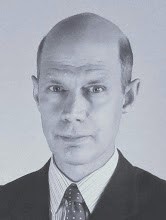
Going, going but not yet gone are:
Mori Yoshiro (75) - LDP; Ishikawa #2 District; Machimura (formerly Mori) Faction; former prime minister
Named successor: non-relative
Fukuda Yasuo (76) - LDP; Gunma #4 District; Machimura Faction; former prime minister
Named successor: eldest son
Nakagawa Hidenao (68) - LDP; Hiroshima #4 District; Machimura Faction; former secretary-general
Named successor: second son
Yamasaki Taku (75) - LDP; Fukuoka #2 District (not current); Yamasaki Faction; former deputy prime minister
Named successor: none
Ono Yoshinori (76) - LDP; Kagawa #3 District; Yamasaki Faction; former defense minister
Named successor: eldest son (one of 3 potential successors)
Takebe Tsutomu (71) - LDP; Hokkaido #12 District; Yamazaki Faction; former former secretary general
Named successor: eldest son (one of 3 potential successors)
The Machimura Faction, the home of the dinosaurs including present LDP president Abe Shinzo, and the Yamasaki faction, which is going nowhere, are clearing out space for the next generation of legacy candidates. The exceptions to the pattern are Mori, whose only son Yuki, an alcoholic, died at age 46 of acute pancreatitis and Yamasaki, whose three children are all daughters (why being women makes them ineligible for the campaign to regain their father's seat is for the LDP to explain).
The Liberal Democratic Party is not the only party seeing a passing down of seats. In the Democratic Party of Japan, Hata Tsutomu (77 - Nagano #3 District; former prime minister) is retiring and is presenting his eldest son Yu'ichiro (House of Councillors; Nagano Prefecture seat), the serving Minister of Land, Infrastructure, Transport and Tourism (and hands-down winner of the Kim Jong-eun Dress-Alike Contest)

Marshal Kim Jong-eun and MLIT Minister Hata Yu'ichiro
as his successor.
Hata's wish flies in the face of the DPJ's stated policy to stamp out legacy seats, despite the presence of more than a smattering of legacy seatholders among the elders and alumni of the party.
Of course, it's pretty much all in the family. Let us look at the list of announced retirees once again:
Mori Yoshiro
Inherited support group from: father
(Father and grandfather were mayors of Neagarimachi)
Fukuda Yasuo
Inherited seat/support group from: father
Takebe Tsutomu
Did not inherit seat or support group
(Father proprietor of Chinese restaurant)
Nakagawa Hidenao
Inherited seat/support group from: father-in-law
Yamasaki Taku
Did not inherit seat or support group
Ono Yoshinori
Inherited seat/support group from: father-in-law
Hata Tsutomu
Inherited seat/support group from: father
N.B. - One of the enduring features of Japanese culture -- a opening phrase I have railed against many a time -- is the transformation of public goods, offices and spaces into heritable entities. The Fujiwaras still run Kasuga; a defrocked imperial prince still leads the Red Cross; those in charge of the inboxes of the personnel departments at the ministries have to fight to keep space open for applications from those who are not the children of bureaucrats.